


In honor of Native American Heritage Month, explore a selection of books celebrating Indigenous voices, cultures, histories, and experiences. From compelling fiction to powerful nonfiction, these recommended reads offer opportunities to learn, discover new perspectives, and celebrate the rich and diverse heritage of Native American communities.
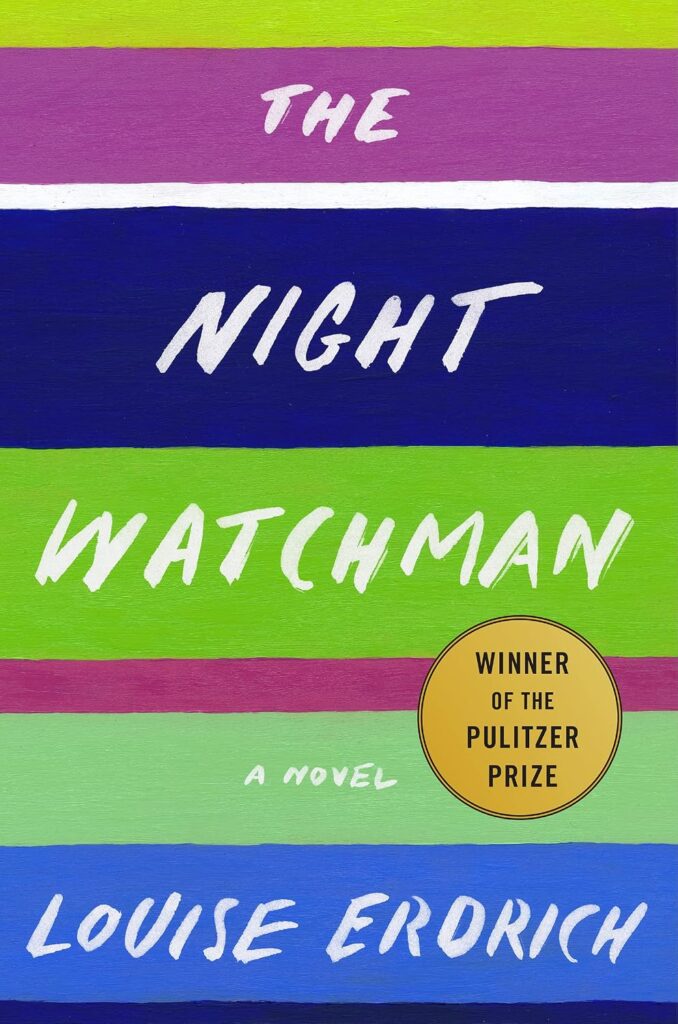
In 1953, Thomas Wazhashk fights a federal bill threatening Native American land and identity, while young factory worker Patrice Paranteau travels to Minneapolis in search of her missing sister.
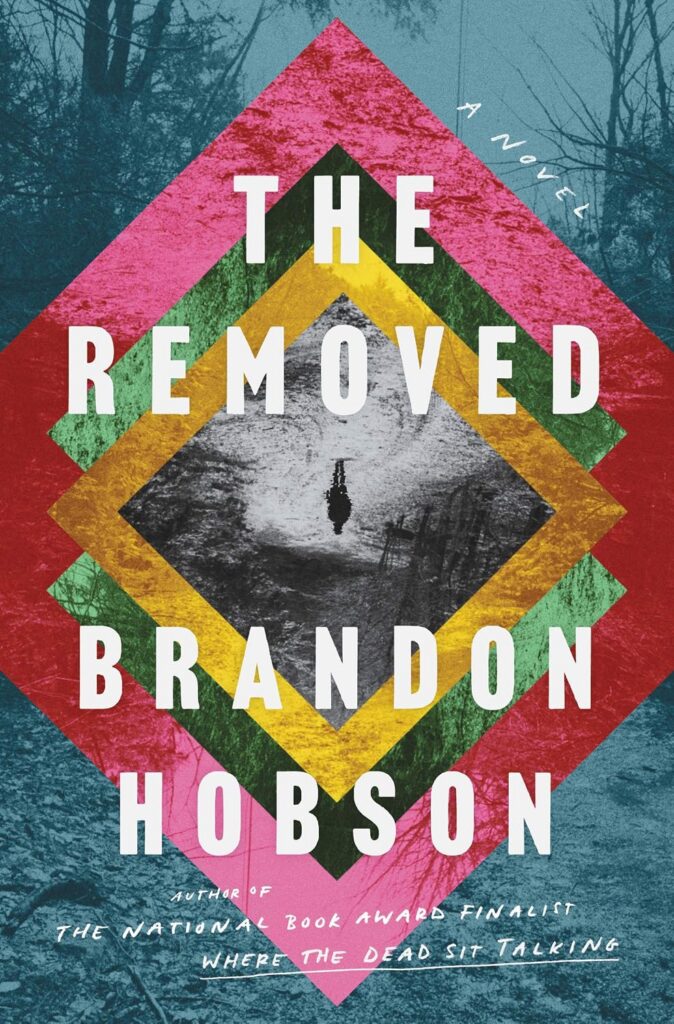
Fifteen years after their son’s death in a shooting, the Echota family remains fractured by grief as they prepare for their annual bonfire honoring his memory and the Cherokee National Holiday.
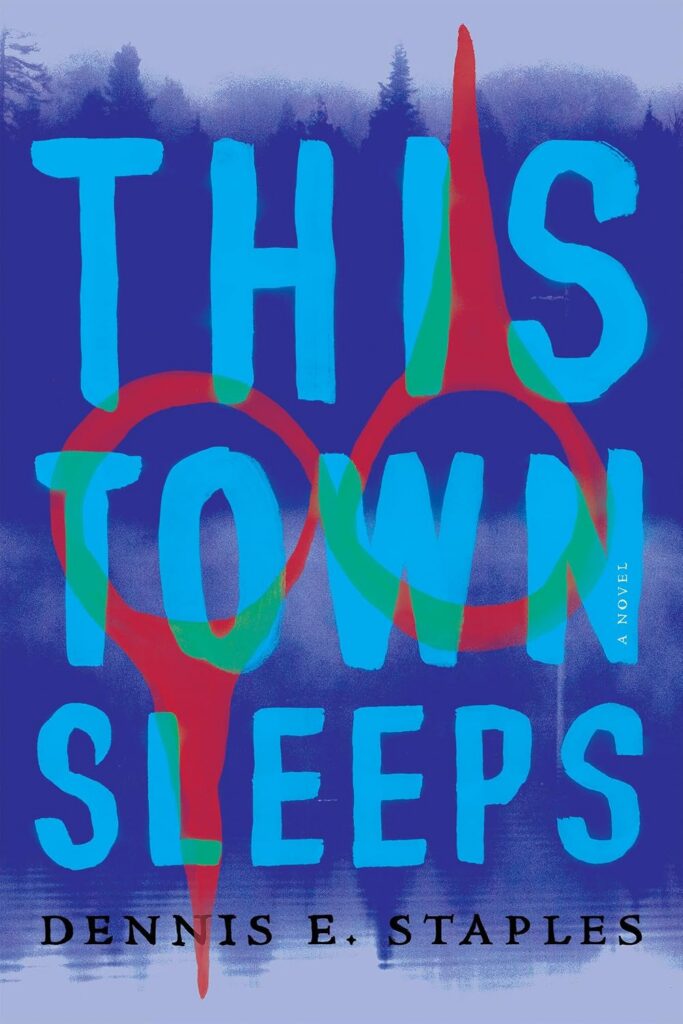
On an Ojibwe reservation, Marion Lafournier begins a secret romance with a closeted former classmate while navigating the challenges of being gay in a small community.
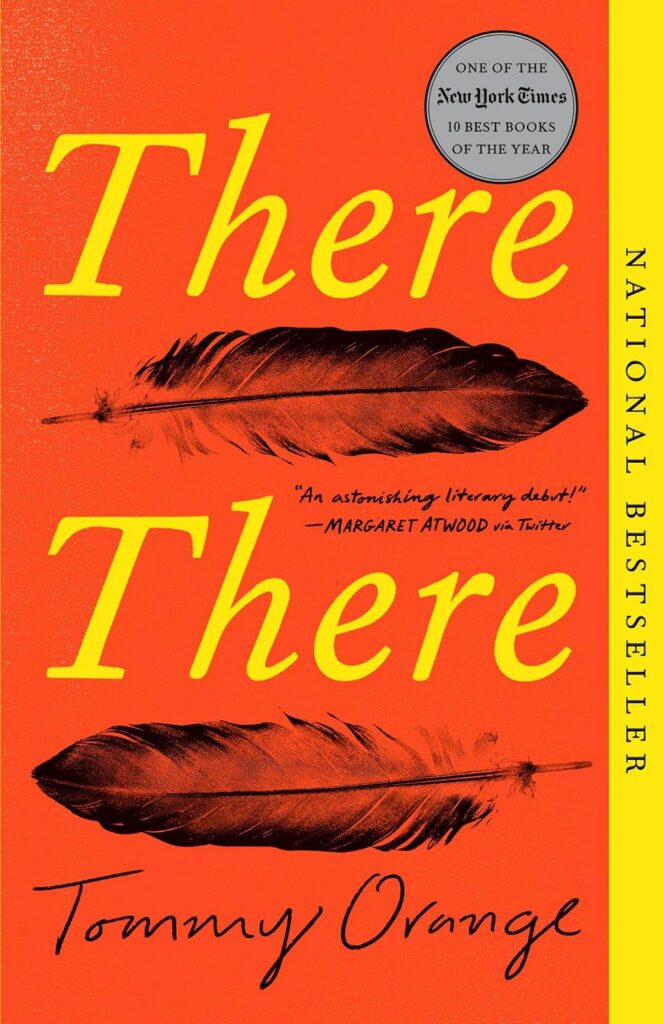
Through the lives of several Native Americans preparing for a major Oakland powwow, interconnected stories explore identity, family, and belonging.
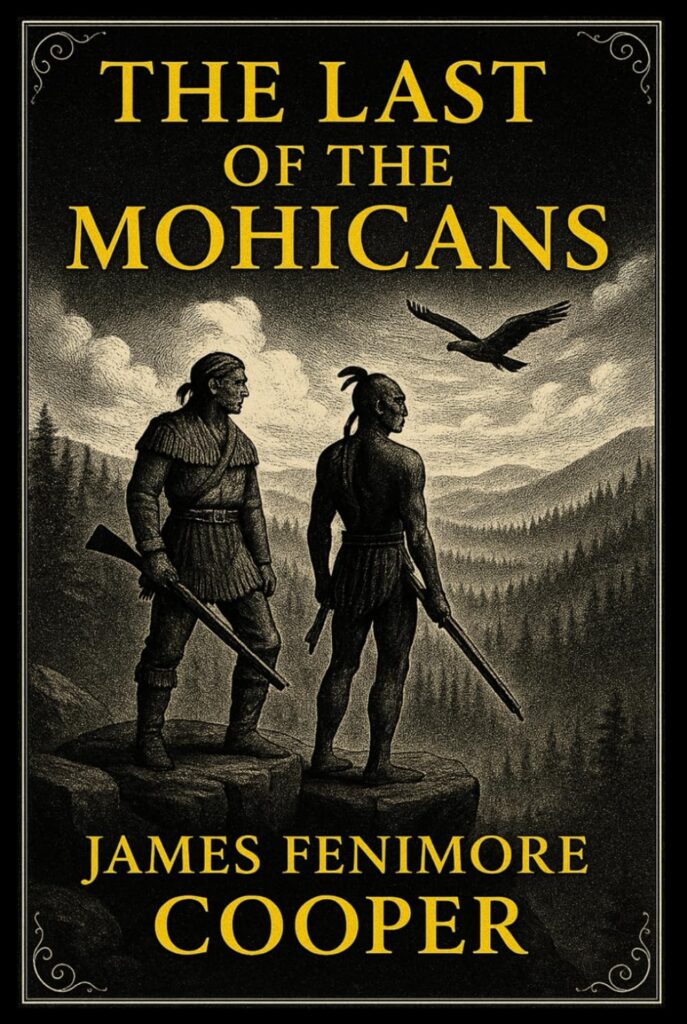
This action-packed adventure brings the wilds of the American frontier and the drama of the French and Indian War to vivid life.
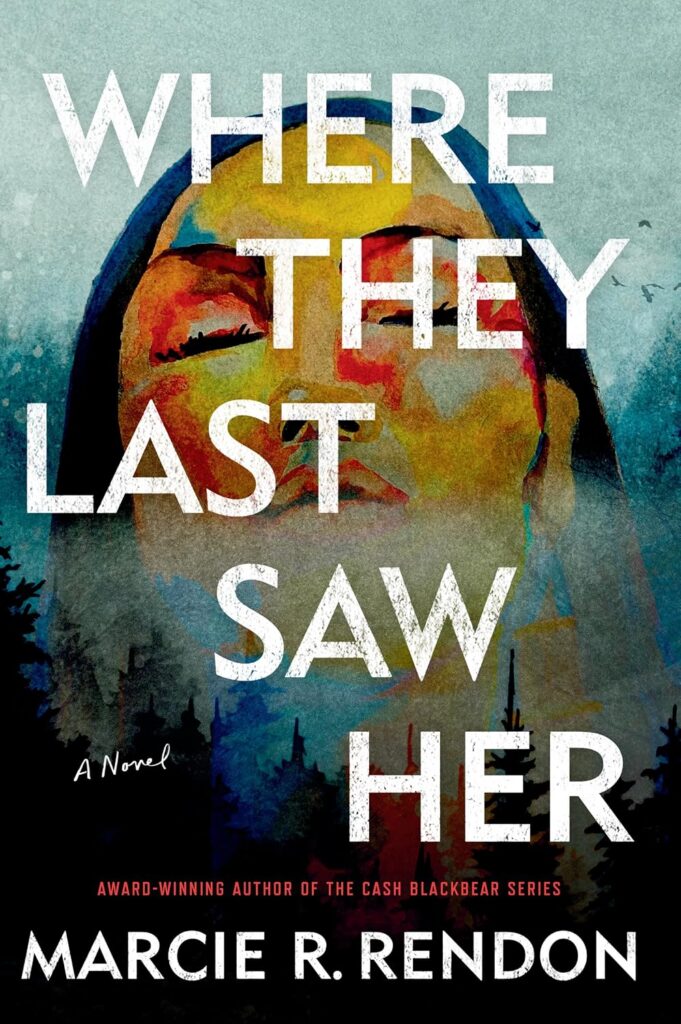
While training for the Boston Marathon, Quill finds evidence that a woman has been abducted near her Minnesota reservation.
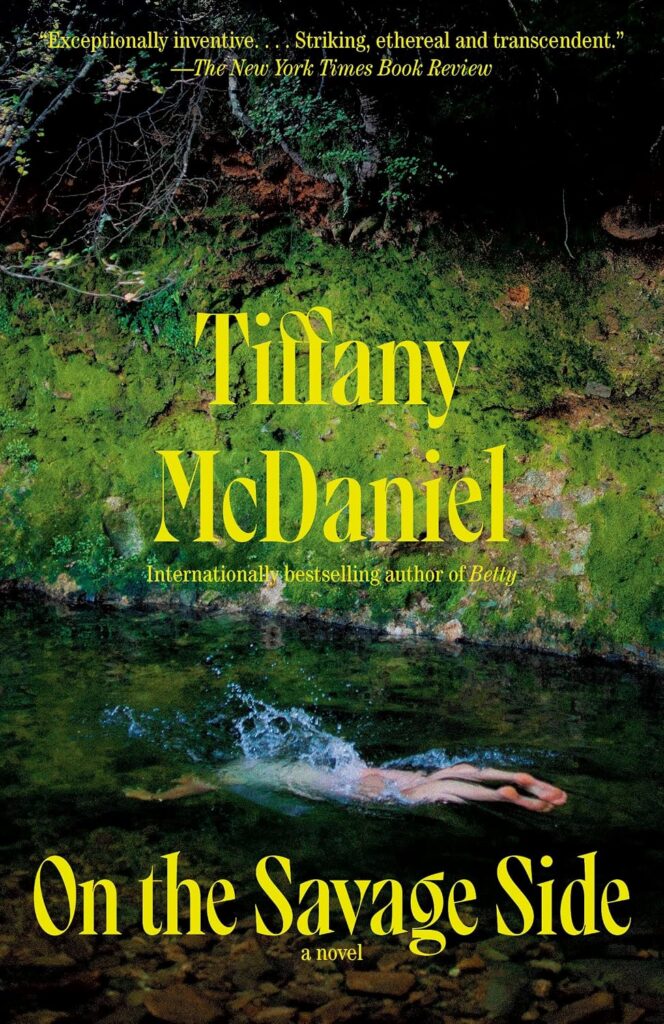
Twin sisters Arcade and Daffodil escape their troubled childhood, but the chaos of their family continues to haunt them into adulthood when a series of bodies is discovered in their hometown.
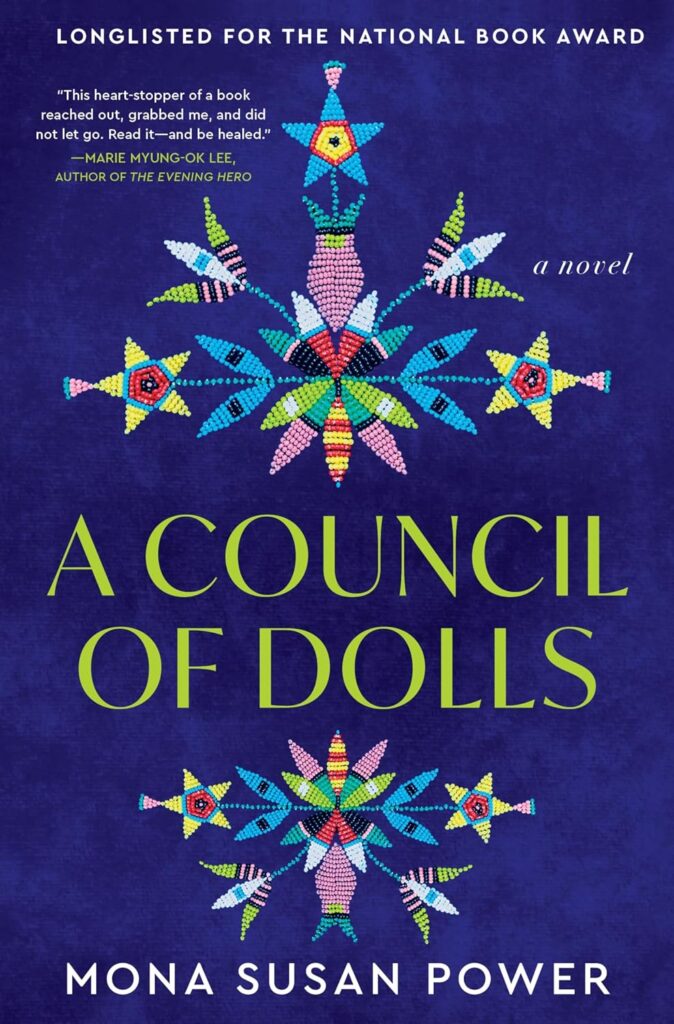
Spanning three generations of Indigenous girls, this haunting story follows Sissy, Lillian, and Cora as they endure family trauma, cultural oppression, and the cruelty of residential schools.
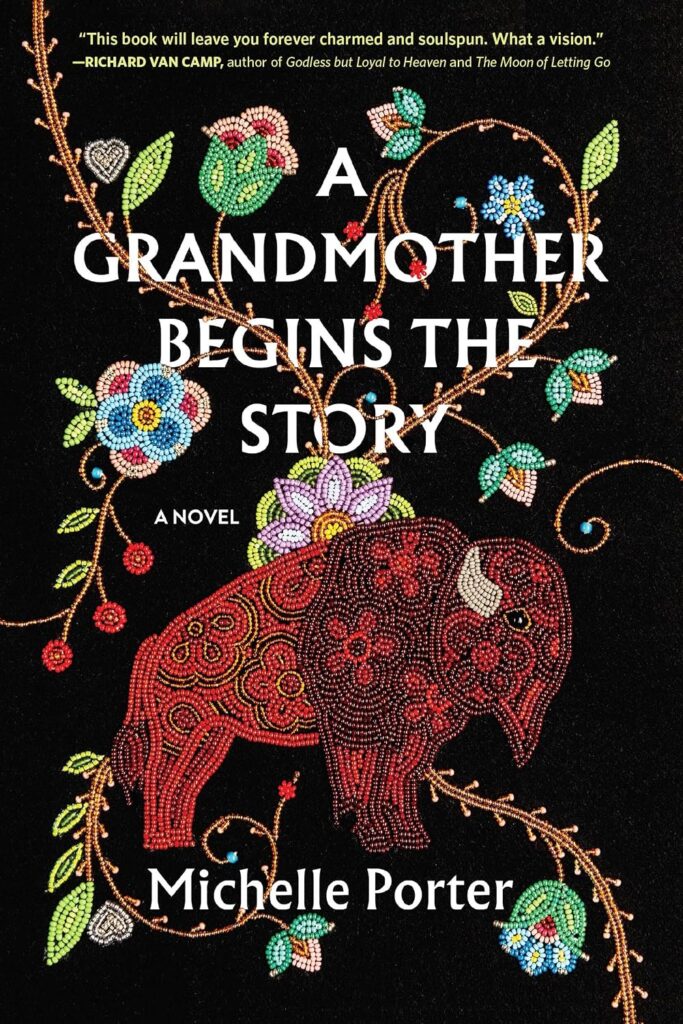
As a young, newly separated mother, Carter begins exploring the Indigenous heritage she only recently discovered, setting off a journey that reaches across generations of women in her family.
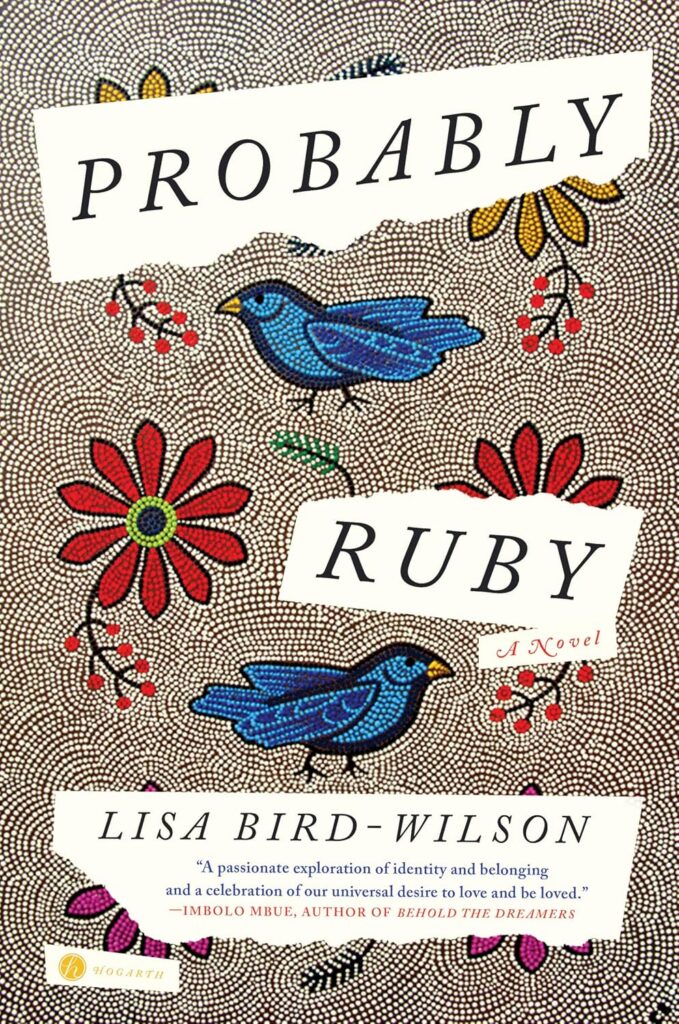
Métis woman Ruby struggles with turbulent relationships and a sense of disconnection from her Indigenous heritage after being adopted by a white family.
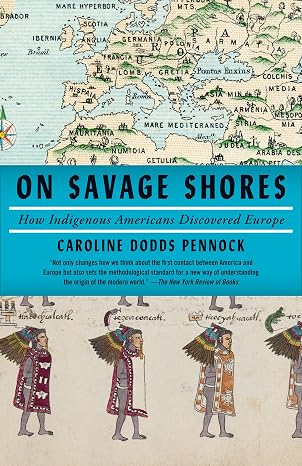
Challenging the traditional narrative of European exploration, this history reveals the lives of Indigenous Americans who traveled to Europe in the centuries following Columbus’s arrival in the Americas.
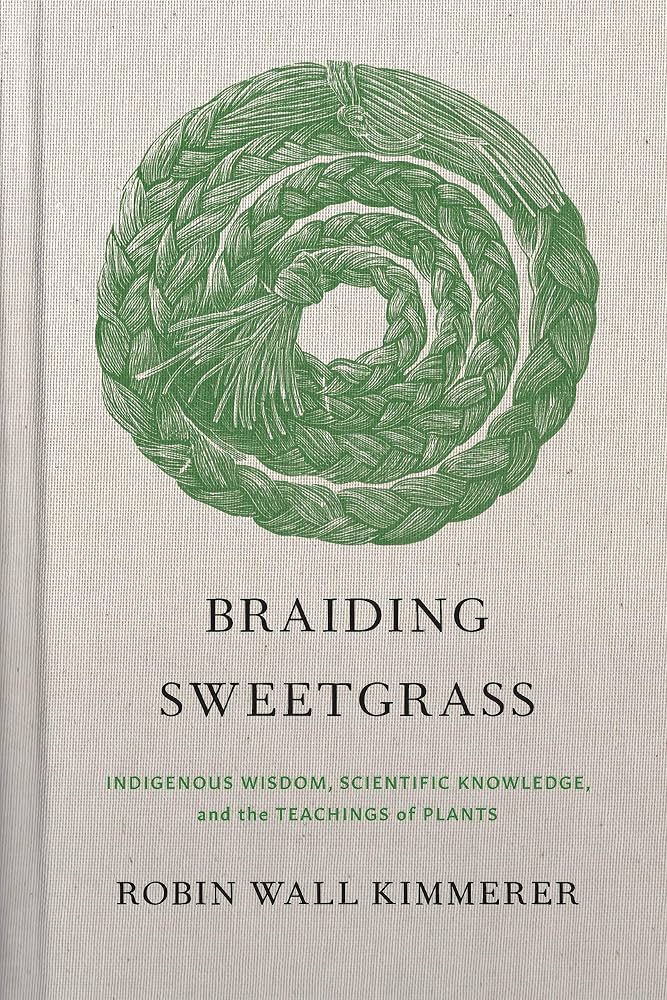
Blending scientific knowledge with Indigenous wisdom, a botanist and member of the Citizen Potawatomi Nation explores humanity’s reciprocal relationship with the natural world.
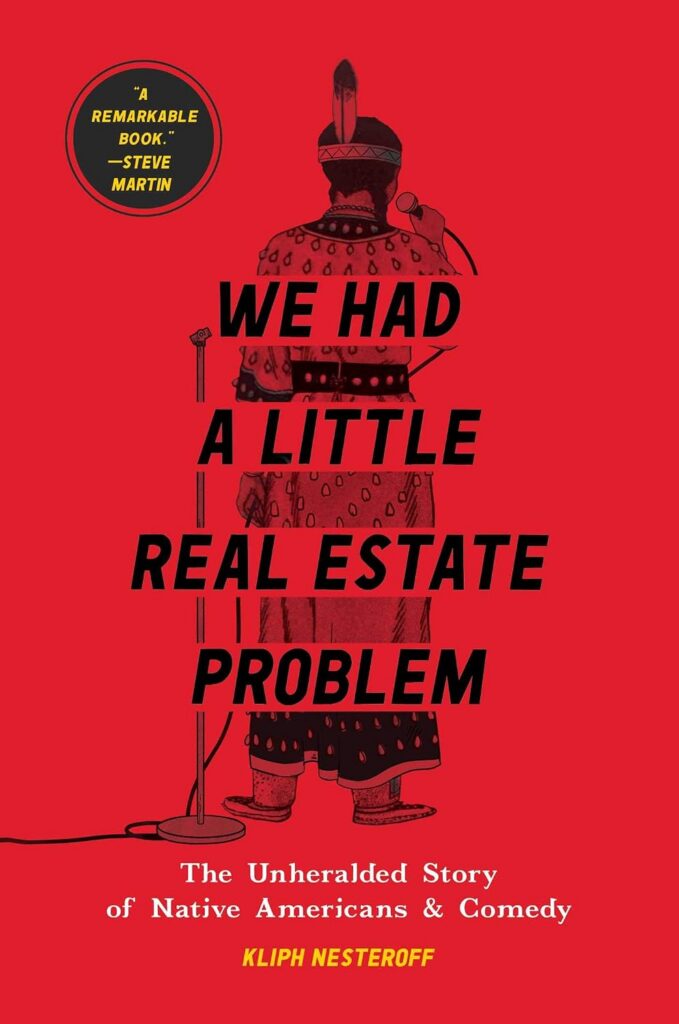
Tracing Indigenous comedy from the forced performances of Wild West shows in the late 1800s to today’s stand-up and sketch troupes, this history celebrates Native American comedians who have challenged stereotypes through humor.
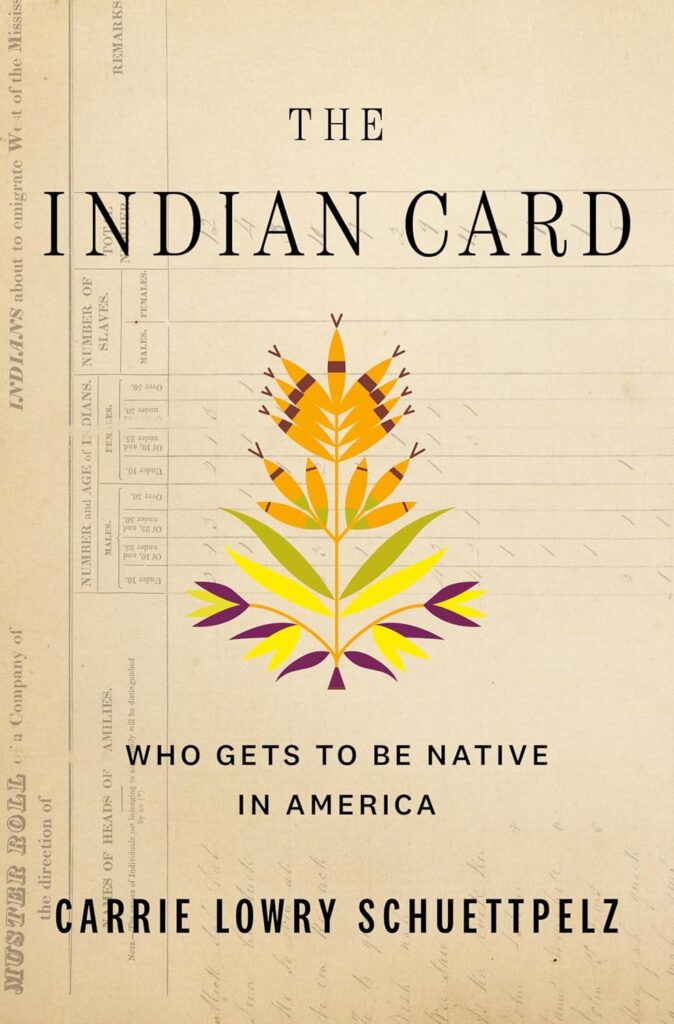
Exploring the rise in people identifying as Native American, this work examines the complexities of Indigenous identity and the systems tribes use to verify tribal citizenship.
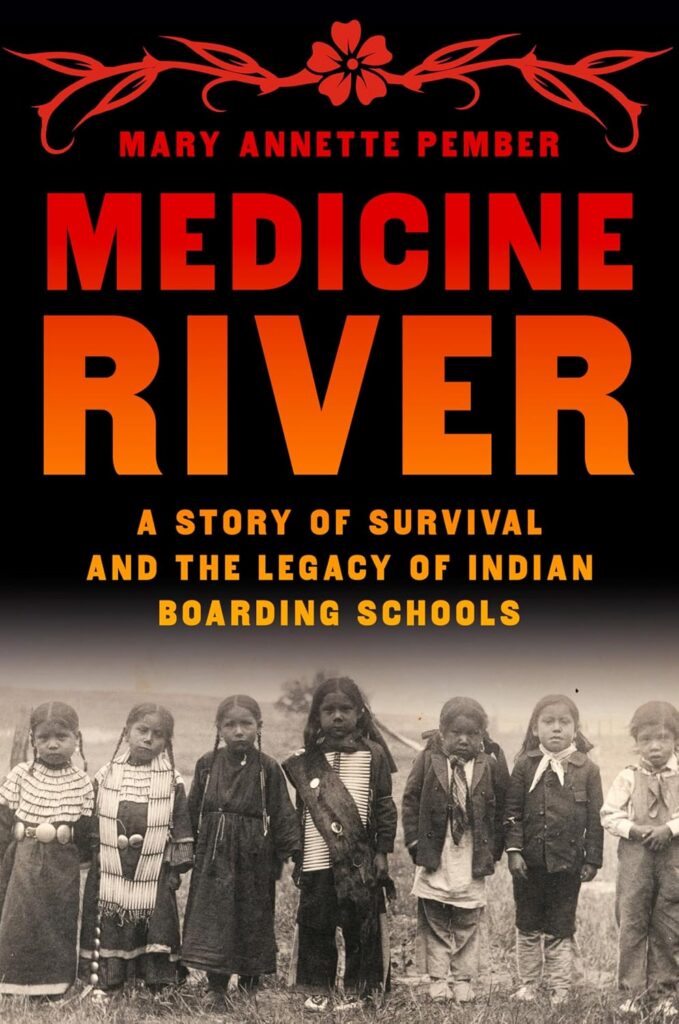
Ojibwe journalist Mary Pember examines the lasting trauma of Native American boarding schools through her mother’s experiences and the stories of survivors, their families, and their descendants.
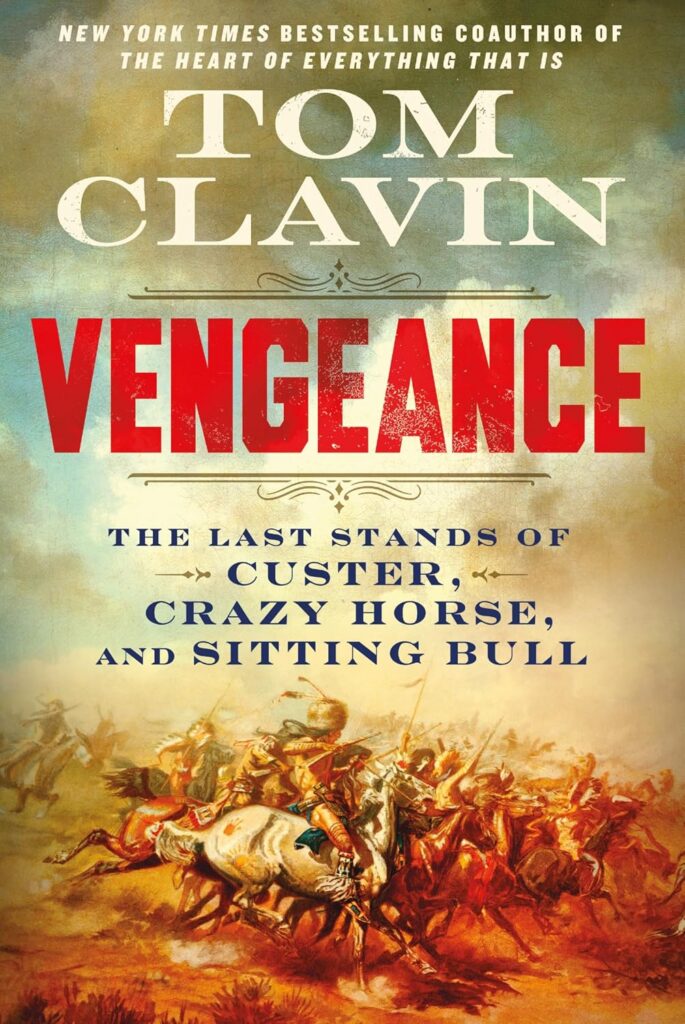
Reexamining the Battle of the Little Bighorn, this history explores the perspectives of Lakota, Northern Cheyenne, and Arapaho warriors alongside the controversial character of General George Armstrong Custer.
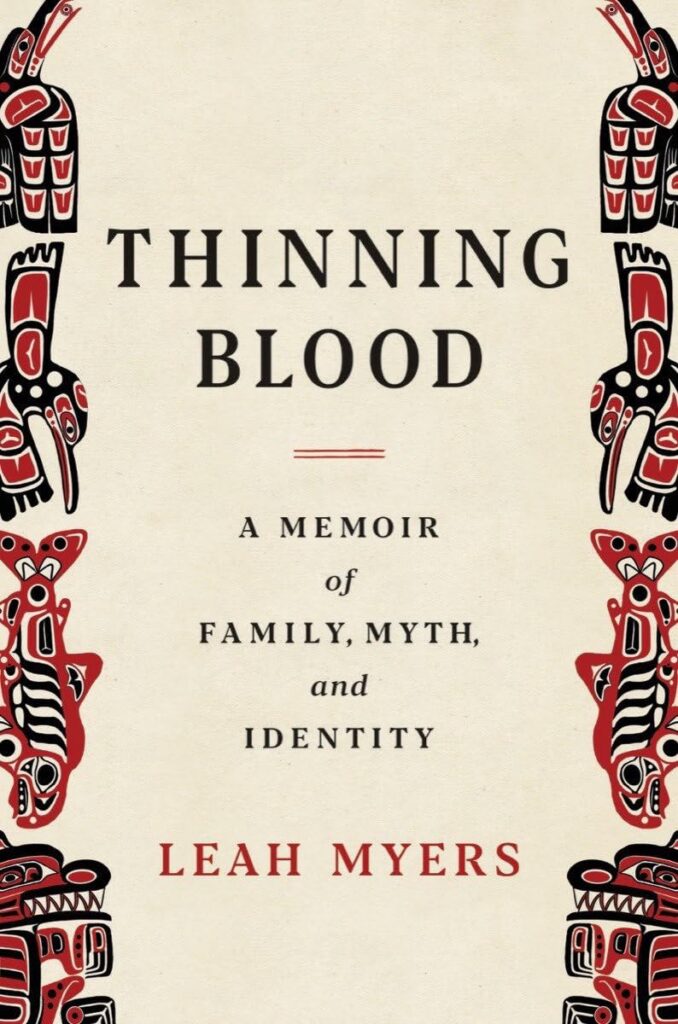
Facing the possibility of being the last member of her family eligible for tribal citizenship, Leah Myers traces four generations of women in her Jamestown S’Klallam family through personal memories, Native folklore, and tribal history.
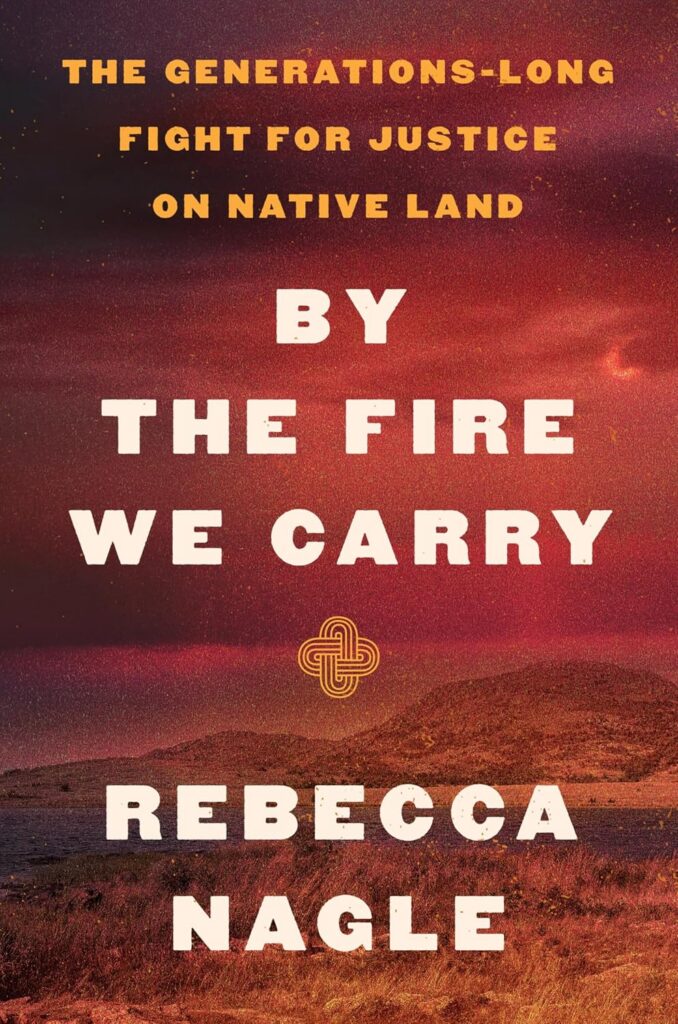
Rebecca Nagle traces the generations-long struggle for Muscogee land and tribal sovereignty, from forced removal in the 1830s to the landmark 2020 Supreme Court ruling affirming reservation boundaries in eastern Oklahoma.
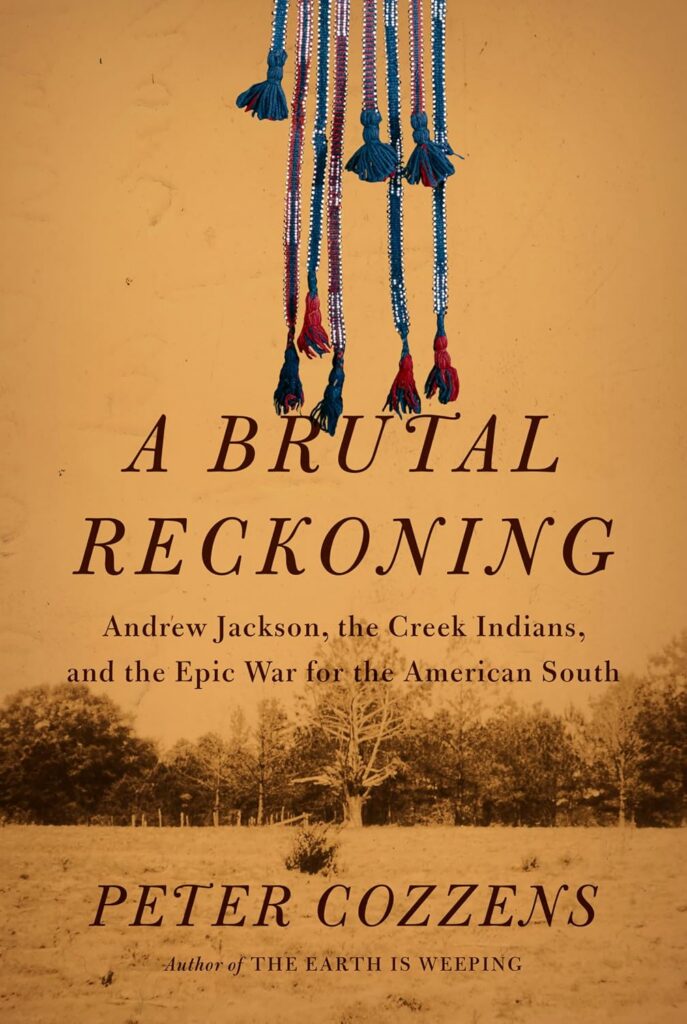
Peter Cozzens examines the Creek War, a devastating conflict that weakened Native communities and paved the way for their forced removal.
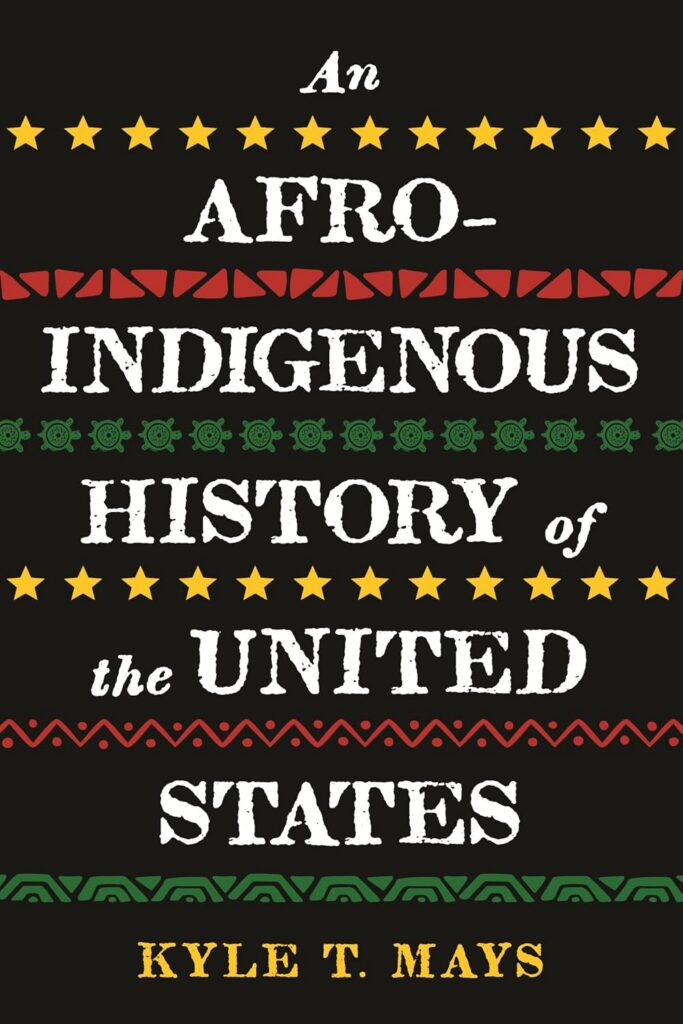
Mays examines the intertwined histories of anti-Black racism and settler colonialism in the United States, tracing Black and Indigenous struggles for freedom from the pre-Revolutionary era to contemporary activism.
